
What it treats
Considered for selected people with obesity and associated metabolic conditions. Its effects result from a smaller stomach and food traveling through less intestine before mixing with digestive juices.
Reasons for an assessment
The indication depends on a comprehensive assessment, not an isolated symptom. Obesity with type 2 diabetes or related conditions and an insufficient response to previous treatments may prompt consultation.
Tests and diagnosis
History, nutritional status, associated conditions, digestive function and blood tests are reviewed. The team may request endoscopy and other tests according to symptoms and prior operations.
Treatment options
Sleeve, bypass, SADI-S, medication and other approaches may be alternatives. Duodenal switch is reserved for selected cases because it requires special attention to nutrition and lifelong monitoring.
How it is performed
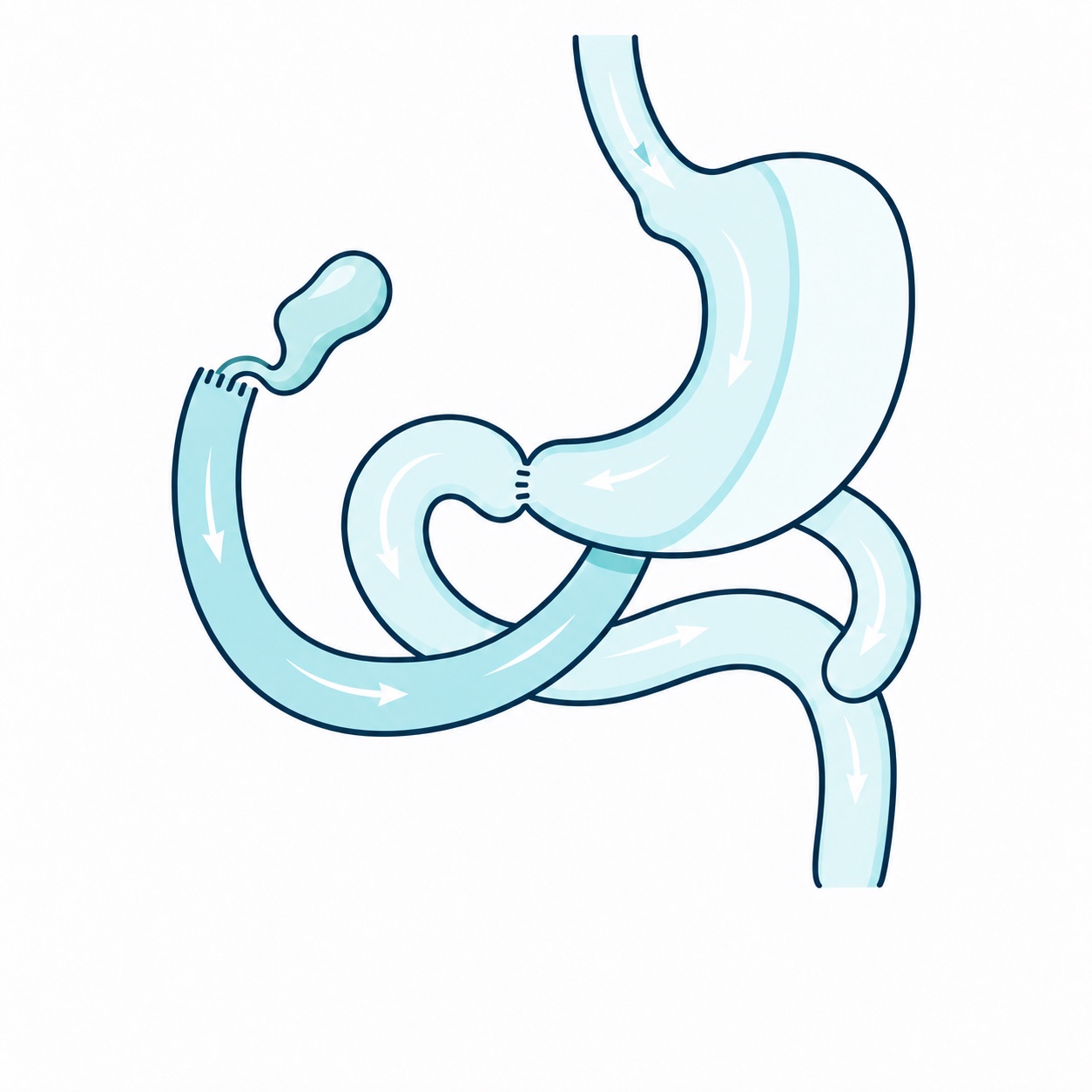
A tubular stomach is formed and intestinal segments are connected to bypass part of the route. Classic duodenal switch and SADI-S have different intestinal configurations; they are not the same operation. It can be laparoscopic in suitable patients.
Recovery, follow-up and risks
Diet advances in stages. Protein, vitamins, minerals and regular blood tests are needed for life. Risks include leaks, bleeding, obstruction, more frequent bowel movements and potentially significant nutritional deficiencies if not detected and treated.
Frequently asked questions
Is it the same as SADI-S?
No. Although both combine a sleeve with intestinal bypass, classic duodenal switch and SADI-S use different connections. Nutritional follow-up is essential for both.
This is general information and does not replace a medical assessment. Clinical information source.
Let's discuss your case
Let's review your medical history and tests to guide the next step.
Request an assessment