
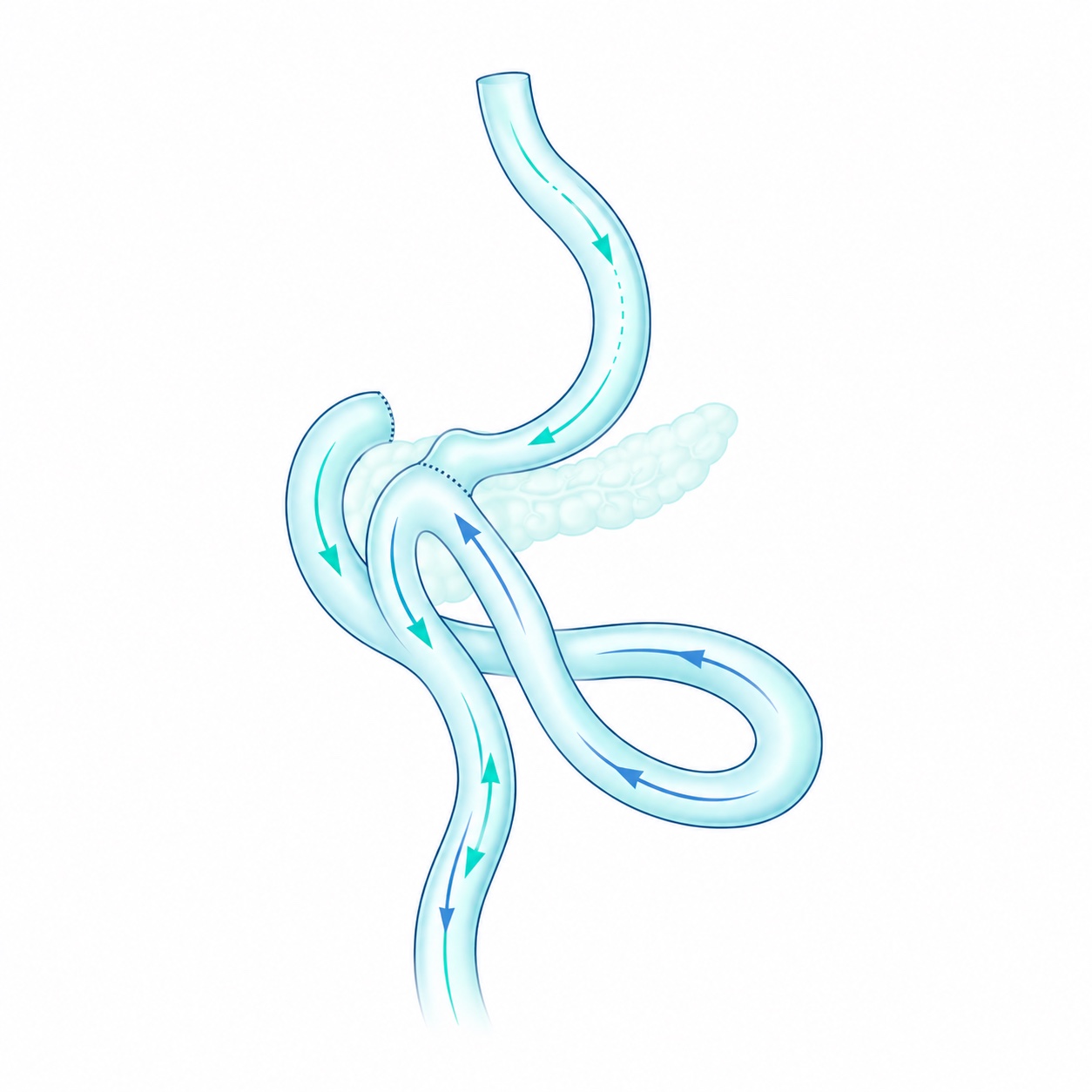
What it treats
It may be considered for obesity and conditions such as type 2 diabetes, or as a second stage after sleeve gastrectomy when the treatment response needs to be reassessed.
Reasons for an assessment
Reasons for consultation include metabolic conditions, insufficient response after a sleeve or weight regain. Reflux, diarrhea or difficulty maintaining adequate nutrition should also be discussed.
Tests and diagnosis
We review weight and health changes, prior operative reports, eating habits, nutritional blood tests and digestive studies based on symptoms. The assessment helps determine whether this technique is appropriate.
Treatment options
Not everyone with a previous sleeve needs another operation. Nutritional care, medication, endoscopy and other surgeries may be options depending on the cause and test results.
How it is performed
A sleeve is created or an existing sleeve is used, and the duodenum is connected to a more distal part of the intestine through a single anastomosis. This differs from classic duodenal switch and SASI. It can be performed laparoscopically when appropriate.
Recovery, follow-up and risks
It requires gradual diet progression, vitamin and mineral supplements, adequate protein and long-term laboratory monitoring. Risks include leaks, bleeding, reflux, more frequent bowel movements and nutritional deficiencies.
Frequently asked questions
Can it be performed after a sleeve?
In selected cases, yes. The sleeve outcome, symptoms—especially reflux—and nutritional status are evaluated before recommending a conversion.
This is general information and does not replace a medical assessment. Clinical information source.
Let's discuss your case
Let's review your medical history and tests to guide the next step.
Request an assessment