
What it treats
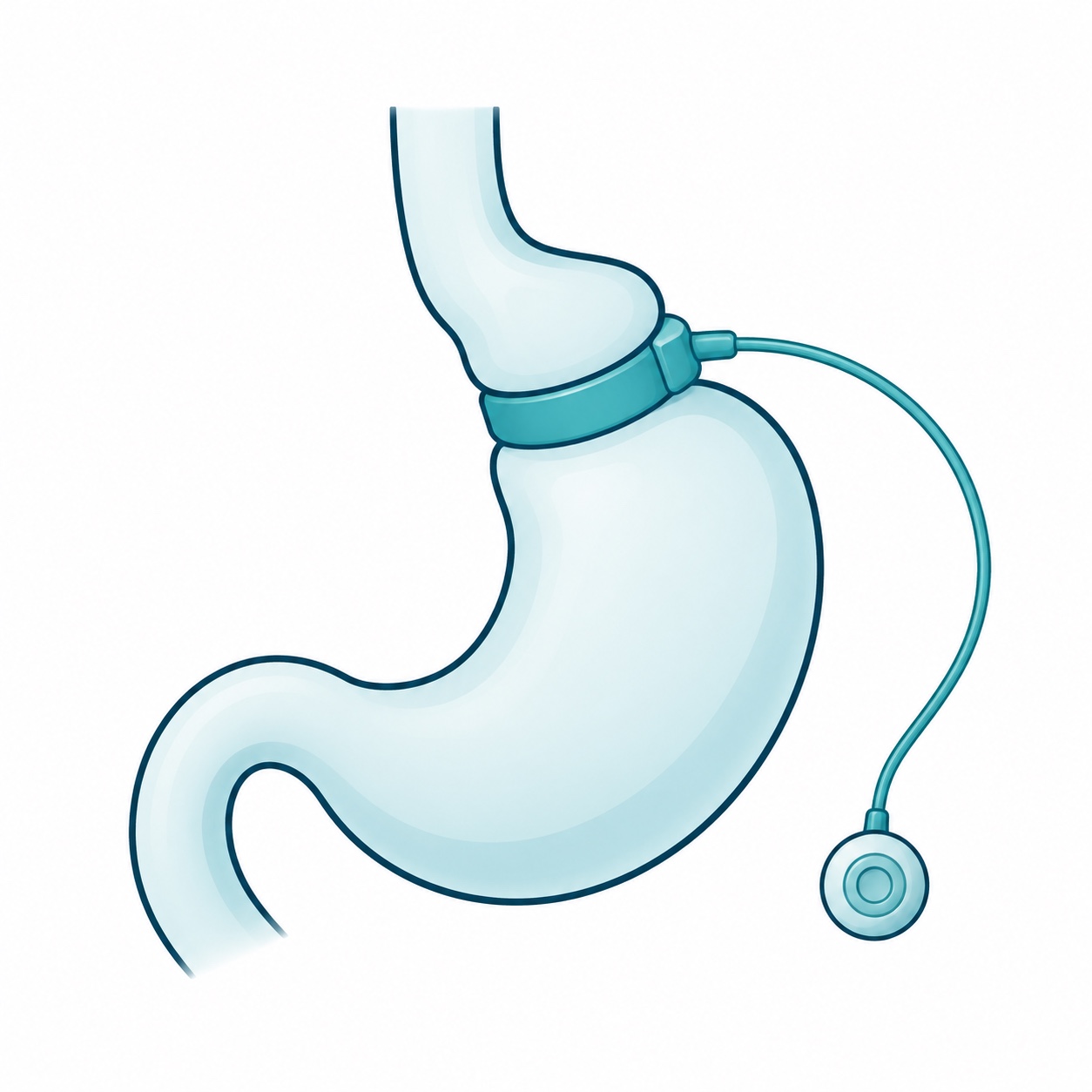
A surgical alternative for obesity. The band creates a small pouch at the top of the stomach and may help people eat smaller portions. Its use has declined because, on average, it has less metabolic effect and requires more revisions than other operations.
Reasons for an assessment
No single symptom indicates a need for a band. Obesity history, associated conditions, previous treatments and patient preferences are reviewed. If you already have a band, trouble swallowing, vomiting, reflux or pain should be assessed.
Tests and diagnosis
Evaluation includes medical history, nutrition, blood work and additional tests as needed. Patients with an existing band may require endoscopy or a contrast study to assess its position and food passage.
Treatment options
Before choosing surgery, nutritional support, physical activity, medication and other bariatric procedures are compared. The band is not usually the first choice for every patient; adjustments and possible removal or conversion are discussed during consultation.
How it is performed
Usually placed laparoscopically around the upper stomach. A small port under the skin allows fluid to be added or removed to adjust the opening. The stomach is not cut and the intestine is not rerouted.
Recovery, follow-up and risks
Diet is advanced gradually and visits are scheduled to adjust the band. Long-term problems may include slippage, erosion, esophageal dilation, trouble swallowing or another operation. Follow-up remains important even without symptoms.
Frequently asked questions
Can the band be removed?
Yes, but removal requires another procedure. If conversion to another technique is considered, the reason and current anatomy are assessed first.
This is general information and does not replace a medical assessment. Clinical information source.
Let's discuss your case
Let's review your medical history and tests to guide the next step.
Request an assessment