
What it treats
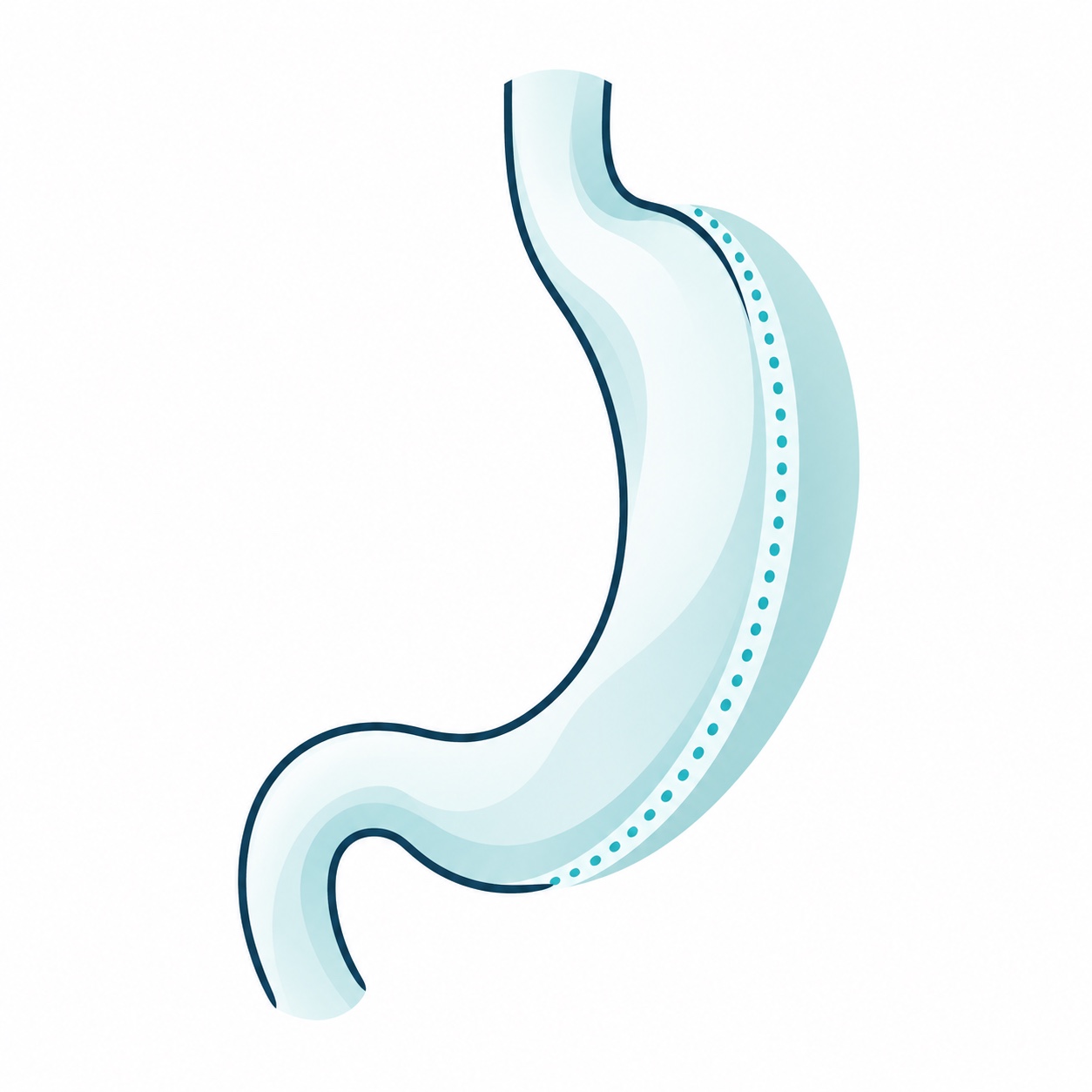
A surgical treatment for obesity that reduces stomach size to form a gastric tube.
Symptoms and when to seek care
Assessment is based on metabolic health, associated conditions, history and treatment goals, rather than a single symptom.
Tests and diagnosis
Medical history, nutritional assessment and individualized preoperative tests; particular attention is given to reflux.
Treatment options
Choosing between sleeve, bypass, other procedures and medical treatment requires individual assessment.
How it is performed
Usually performed laparoscopically. Part of the stomach is removed to form a sleeve; this is different from an endoscopic sleeve.
Recovery, follow-up and risks
Gradual diet progression, supplements and long-term follow-up are required. Risks include leaks, bleeding, reflux and nutritional deficiencies.
Frequently asked questions
Are surgical and endoscopic sleeves the same?
No. Surgical sleeve gastrectomy removes part of the stomach; the endoscopic procedure changes its shape with sutures placed through the mouth.
This is general information and does not replace a medical assessment. Clinical information source.
Let's discuss your case
We can review your symptoms and tests to guide the next step.
Request an assessment